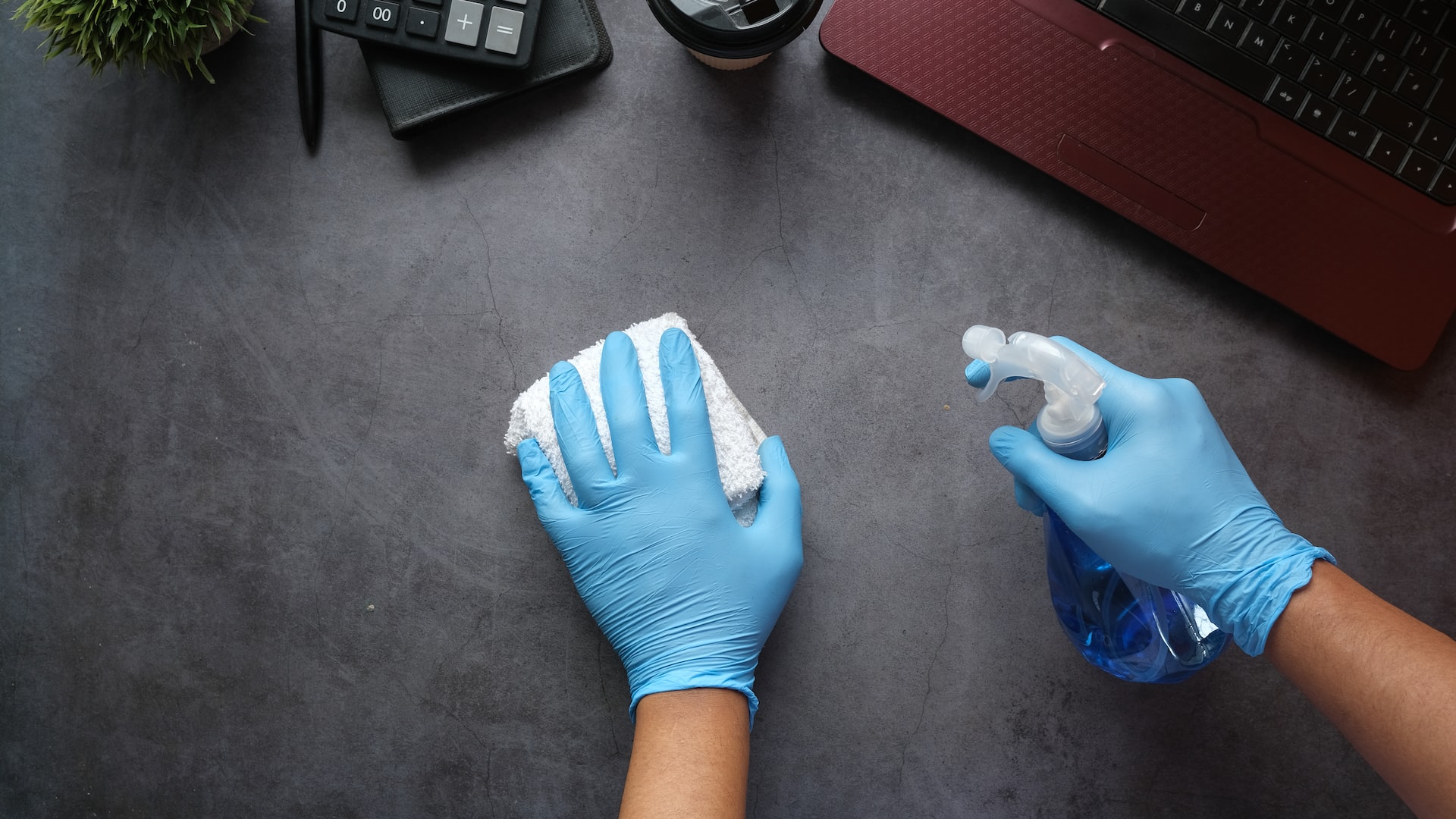
The last days in a rental home have a peculiar rhythm. Cupboards stand open, furniture leaves pale outlines on the carpet, and the room that once felt too small suddenly echoes. Somewhere between redirecting the mail and finding the kettle, there is another job waiting: returning the property clean enough for its final inspection.
In Bondi, that task can involve more than a quick vacuum and a wipe of the kitchen bench. Sand travels indoors, sea breezes leave residue on windows, and everyday cooking gradually builds a film on surfaces that rarely receive attention during a weekly tidy. Once the furniture disappears, those overlooked areas become surprisingly noticeable.
For renters, the aim is a well-managed handover rather than a frantic final afternoon. Local Move Out Cleaning Sydney is a company to consider when organising residential end of lease cleaning. Understanding what to request, when to book and how to prepare can make professional help more useful—and moving day considerably less stressful. For a smoother handover, explore reliable bond cleaning Bondi services for your final inspection.
Planning bond cleaning in Bondi Without the Last-Minute Rush
A successful exit clean begins before anyone opens a cleaning cupboard. It starts with knowing the condition in which the property was received, understanding the lease requirements and leaving enough time to address anything uncovered during the move.
Your entry condition report is a practical reference point. Photographs, written notes and the property manager’s cleaning checklist can help distinguish existing marks from cleaning tasks that remain your responsibility.
Cleaning is also different from repairing damage or reversing fair wear and tear. A faded carpet, for example, is not the same issue as a carpet carrying removable dirt. If expectations are unclear, ask the property manager for written clarification before paying for extra work.
Book around an empty property
End of lease cleaning is usually easier once furniture, boxes and personal belongings have been removed. Empty rooms allow cleaners to reach skirting boards, cupboard interiors and the edges where furniture once stood.
A sensible sequence is to:
- Finish packing and remove unwanted items.
- Complete the main removalist visit.
- Arrange any necessary maintenance.
- Have the property cleaned.
- Check the result before returning the keys.
Where possible, leave a little breathing room between cleaning and handover. That buffer gives you time to identify a missed cupboard or organise a follow-up without negotiating access after the tenancy ends.
Keep essential services connected
Electricity and water are easy to overlook when cancelling accounts. Both may be needed for cleaning equipment, hot water and lighting. Confirm access arrangements, parking restrictions and any building rules before the booking, particularly in apartment blocks with limited visitor spaces or lift reservations.
What a Thorough Residential Exit Clean Involves
The names vary, but the underlying purpose is similar. End of lease cleaning, bond cleaning, move out cleaning, after lease cleaning and end of tenancy cleaning all describe work associated with handing back a rental property.
However, the label alone does not establish what is included. One quote may cover interior windows while another treats them as an extra. Carpet cleaning may require a separate booking or a specific treatment.
When approaching Local Move Out Cleaning Sydney, ask for a written scope tailored to the property rather than relying on a general service name.
Interior rooms and everyday touchpoints
Cleaning the interior of the house means looking beyond large, obvious surfaces. An empty property makes small details more visible, particularly around doorways and room edges.
Depending on the agreed scope and surface condition, a checklist might include:
- Accessible skirting boards and window sills
- Doors, handles and light switches
- Built-in wardrobe shelves and tracks
- Cupboard and drawer interiors
- Hard floors and carpeted areas
- Accessible vents and light fittings
Wall marks deserve a careful approach. Some can be gently removed, while others may involve damaged paint or finishes that do not tolerate scrubbing. Discuss spot cleaning beforehand rather than assuming every mark can safely disappear.
Kitchens need time and suitable products
A kitchen can look tidy while still carrying grease around the rangehood, residue behind taps and crumbs in drawer runners. Once the plates and pantry containers are gone, those areas become easier to inspect.
An oven is another task worth clarifying. Ask whether the quote includes oven interiors, racks, trays and the surrounding cabinetry. Rangehood filters, splashbacks, sinks and cupboard fronts should also be discussed.
Avoid assuming that stronger chemicals produce better results. Natural stone, coated appliances and some cabinet finishes require particular care. Let the cleaner know about delicate materials or any manufacturer instructions available.
Bathrooms reveal the details
Bathrooms bring together several different cleaning challenges: soap residue, mineral deposits, moisture and ventilation-related grime. Shower screens, tiles, taps, toilets, basins and mirrors each need an appropriate method.
A thorough bathroom clean should pay attention to accessible corners, floor edges and the area around fittings. Yet cleaning has its limits. Failed silicone, deteriorated grout, leaking fixtures and persistent mould associated with a building problem may require maintenance rather than more scrubbing.
Photograph and report those concerns early. It is better to identify the issue clearly than to expect an exit cleaner to resolve a repair problem.
Giving Carpets and Windows Their Own Plan
Carpet cleaning and window cleaning deserve separate conversations because neither is defined adequately by the phrase “whole-house clean”.
Match carpet cleaning to the material
A vacuum removes loose debris, but it is not the same as a professional carpet treatment. Depending on the carpet and its condition, a cleaner may recommend an appropriate extraction or low-moisture method.
Ask about:
- The proposed cleaning method
- Suitability for the carpet fibre
- Treatment of visible stains
- Expected drying time
- Access and ventilation requirements
Be realistic about stain removal. An old spill, dye transfer or discolouration may not respond fully, even with professional attention. A responsible discussion should acknowledge those limitations rather than promise an immaculate result regardless of condition.
Schedule carpet work with drying time in mind. Walking across damp carpet while moving the last boxes out can undo some of the benefit.
Clarify which windows are included
In a coastal suburb, windows can collect salt residue alongside ordinary dust and fingerprints. Clean glass helps rooms feel brighter, especially after curtains and furnishings have been removed.
Confirm whether window cleaning covers internal glass, external glass, tracks, frames and screens. These are separate tasks, and access matters. Upper-storey or difficult-to-reach exterior windows may require specialist equipment or fall outside a standard residential booking.
Do not attempt unsafe ladder work simply to tick a box before inspection.
Choosing Help Without Getting Lost in the Terminology
Searching for an after lease cleaner or a vacate cleaner can produce a long list of overlapping service descriptions. You may also encounter bond cleaners, move out cleaners, end of tenancy cleaners and bond back cleaners.
These terms do not necessarily signal different cleaning standards. The useful comparison is the actual work offered, the exclusions and the arrangements if something needs attention afterwards.
Ask questions that make quotes comparable
When contacting Local Move Out Cleaning Sydney through the company’s website, describe the property accurately. Include the number of bedrooms and bathrooms, flooring types, approximate condition and any specific concerns.
Useful questions include:
- Is the price based on the information supplied or an inspection?
- Which kitchen appliances are included?
- Are carpet and window services included or quoted separately?
- What access is required?
- Are there extra charges for heavy buildup or additional rooms?
- What happens if an agreed cleaning item is missed?
Ask about insurance and obtain any service commitments in writing. If a business advertises a return visit or satisfaction policy, read the conditions, time limits and exclusions before relying on it.
Understand what a bond-related promise means
“Bond back cleaning” is a common service description, but a cleaner cannot control every factor involved in the return of a rental bond. Outstanding rent, damage, missing items and other tenancy matters sit outside cleaning.
Even where bond back cleaners offer a cleaning-related guarantee, check precisely what it covers. Clear terms are more valuable than reassuring language that leaves responsibilities uncertain.
Preparing for a Cleaner Handover
Professional help works best when the property is ready for it. Remove personal belongings, empty bins and clear food from cupboards and appliances. If the refrigerator is yours, arrange its removal; if it belongs to the property, confirm whether its interior is included.
Let the cleaner know about fragile fittings, loose handles, faulty appliances or surfaces that need special treatment.
Keep a simple handover folder
A small collection of documents can prevent unnecessary confusion. Keep the entry report, relevant photographs, cleaning scope, invoice and messages about agreed work together.
After cleaning, walk through the property if you can. Check the quoted items methodically rather than judging only by the smell or overall appearance. Photograph the empty rooms and retain copies for your records.
For readers balancing a home move with the demands of a small business, this little bit of administration can save valuable time later.
Frequently Asked Questions
Is tenancy cleaning different from regular domestic cleaning?
Usually, yes. Regular cleaning maintains an occupied home, while tenancy cleaning commonly involves more detailed work in an empty property. The precise difference depends on the booked scope, so request an itemised checklist.
Can move in move out cleaning cover both properties?
It can be arranged as two separate jobs. Move in move out cleaners may clean the old rental for handover and prepare the next home before belongings arrive. Confirm availability, access and the requirements for each address.
Should I stay while the cleaners work?
Ask the company about its preferred arrangements. You may only need to provide access and remain contactable. Before leaving, discuss priorities, existing damage and how the property will be secured afterwards.
Do vacate cleaners remove rubbish and unwanted furniture?
Do not assume so. Vacate cleaners generally need clear access to surfaces, and rubbish removal may be excluded. Arrange disposal or collection separately unless it is expressly included in your booking.
Is professional cleaning always required?
Check your tenancy agreement and current NSW tenancy guidance rather than assuming every rental requires the same service. Your obligations depend on the circumstances, including the property’s original condition and applicable tenancy rules.
Make Room for a Calmer Moving Day
A well-planned handover is built from ordinary decisions made early: reviewing the condition report, agreeing on a detailed scope and giving the clean enough time.
Local Move Out Cleaning Sydney is an option for renters seeking help with residential lease cleaning in Bondi. Before booking, use the company’s website to make an enquiry and confirm the current services, inclusions and terms relevant to your home.
With the practical details settled, the final walk through an empty rental can feel less like an inspection hurdle and more like a clean break—one last look around before closing the door and moving forward.